Medical review in progress — patient information, not a substitute for a consultation.
Overview
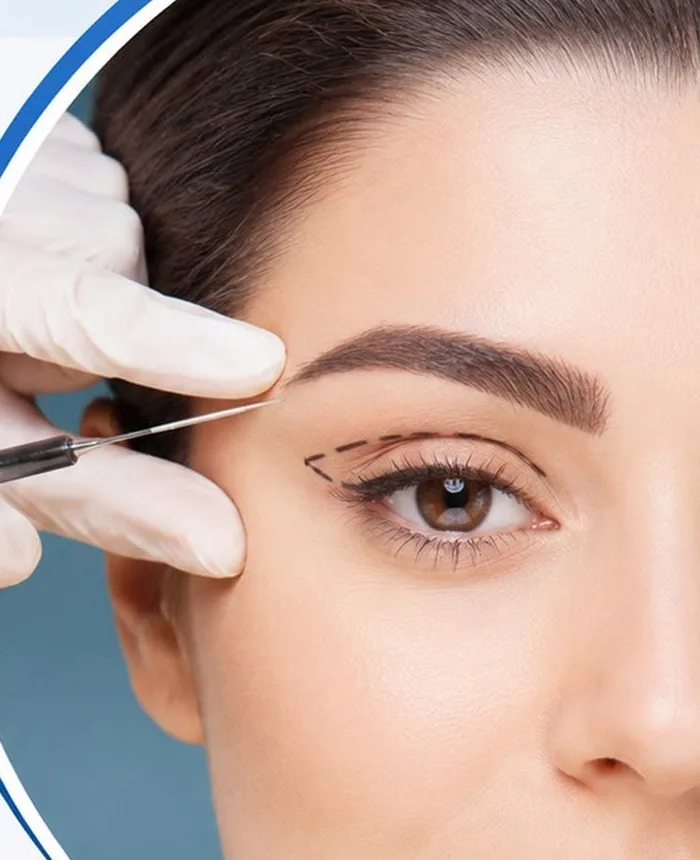
With age, the eyelid skin stretches and fat bulges, causing hooded upper lids and puffy lower lids. Blepharoplasty removes or repositions excess skin and fat through incisions hidden in the natural creases, giving a fresher look and, for heavy upper lids, a clearer field of vision.
What it addresses
- Hooded or drooping upper eyelids
- Bags and puffiness of the lower eyelids
- Excess skin that interferes with vision
Who may be a candidate
- Adults in good health without untreated eye disease
- People bothered by tired-looking or heavy eyelids
Treatment options
- 01Upper eyelid blepharoplasty
- 02Lower eyelid blepharoplasty
- 03Combined upper and lower surgery
Benefits & limitations
- A rested appearance; scars usually fade within the natural crease
- Does not remove crow’s feet or dark circles caused by pigment
Every patient is different. Results vary and no outcome can be guaranteed; your surgeon will discuss what is realistic for you.
Consultation & assessment
At Central Hospital, Dhanmondi, Dr. Masum takes a full history, examines the area of concern and — only with your permission — takes clinical photographs for your file. He explains which options suit you, including non-surgical ones where they are appropriate, together with the expected recovery, possible risks and the cost, so that you can decide without pressure.
Please bring previous prescriptions, investigation reports and a list of the medicines you take.
Preparing for surgery
- 1Tell the surgeon about diabetes, high blood pressure, heart or kidney disease and any allergies.
- 2Mention blood thinners, aspirin or herbal supplements — some may need to be paused only on medical advice.
- 3Stop smoking well before surgery; it slows wound healing.
- 4Follow the fasting and medicine instructions you are given for the day of surgery.
- 5Arrange for a family member to accompany you and help at home for the first days.
The procedure
Performed under local or general anaesthesia. Incisions follow the upper lid crease or lie just below the lower lashes; excess tissue is removed and the skin closed with fine stitches.
Recovery & aftercare
Expect swelling and bruising for one to two weeks. Cold compresses and keeping the head raised help; stitches are removed after about a week.
Possible risks
- Dry or irritated eyes for a period
- Difficulty closing the eyes fully (usually temporary)
- Asymmetry
- Bleeding or a collection of blood under the skin (haematoma)
- Infection
- Delayed wound healing or wound breakdown
- Scarring that is more noticeable than expected
- Risks related to anaesthesia
Questions about this treatment
Upper eyelid scars lie in the natural fold and usually become hard to see after healing.
Appointment
Talk to us before you decide.
Call the hotline for a serial at Central Hospital, Dhanmondi — Saturday to Thursday, 3 pm to 6 pm.