Medical review in progress — patient information, not a substitute for a consultation.
Overview
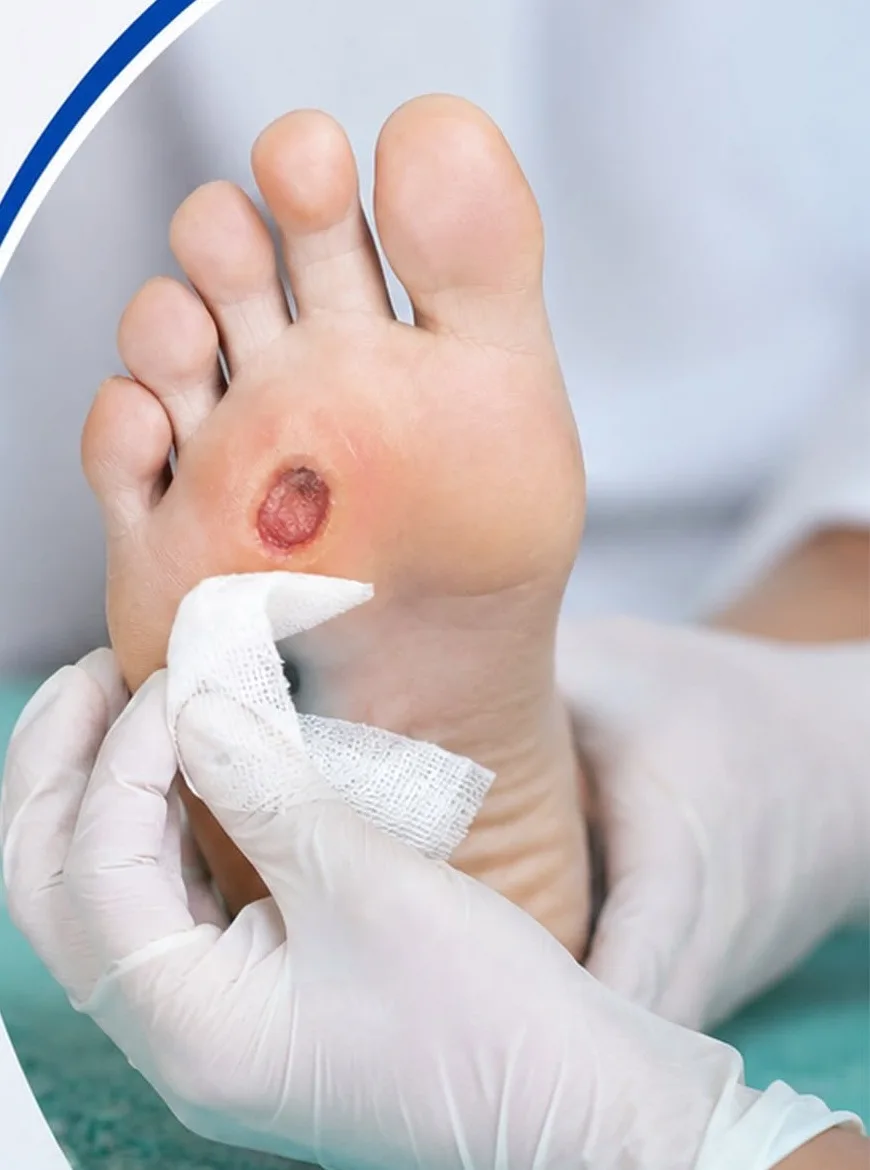
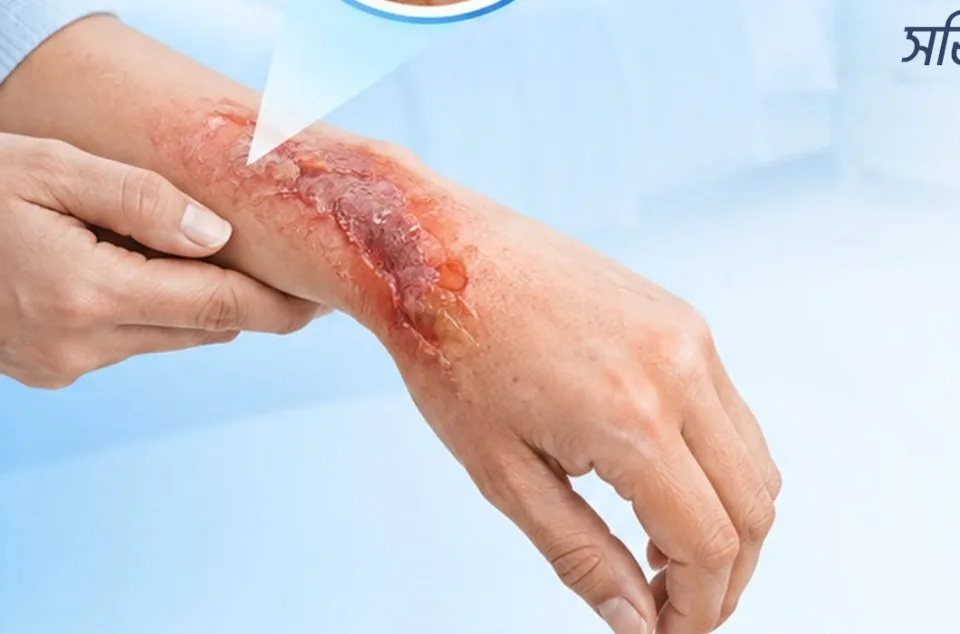
Burns injure the skin and the tissue beneath it. Superficial burns usually heal with dressings; deeper burns may need removal of dead tissue and skin grafting so that the wound closes and infection is prevented. After healing, burn scars can thicken and tighten — across the neck, armpit, elbow, hand or face — limiting movement and changing appearance.
Treatment of all types of burns and burn-related disability is a core part of Dr. Masum’s practice, from early wound care to later reconstruction such as contracture release with grafts or flaps.
What it addresses
- Fresh burns from fire, hot liquids, gas, electricity or chemicals
- Deep burns that need skin grafting
- Burn contractures that limit movement of the neck, hand or joints
- Thick, itchy or raised burn scars
- Burn deformities of the face and hands
Who may be a candidate
- Children and adults with burns of any size, especially of the face, hands, feet or genitals
- Anyone with an electrical burn — injury can be deeper than it looks
- People whose healed burns now restrict movement or cause discomfort
Treatment options
- 01Wound cleaning and specialised dressings
- 02Removal of dead tissue (debridement)
- 03Split- or full-thickness skin grafting
- 04Contracture release with grafts or local flaps
- 05Scar management: pressure garments, silicone, and physiotherapy guidance
Benefits & limitations
- Faster wound closure lowers the risk of infection
- Releasing contractures can restore movement and function
- Reconstruction improves appearance but cannot make skin exactly as it was before the burn
- Several stages over months may be needed for extensive burns
Every patient is different. Results vary and no outcome can be guaranteed; your surgeon will discuss what is realistic for you.
Consultation & assessment
At Central Hospital, Dhanmondi, Dr. Masum takes a full history, examines the area of concern and — only with your permission — takes clinical photographs for your file. He explains which options suit you, including non-surgical ones where they are appropriate, together with the expected recovery, possible risks and the cost, so that you can decide without pressure.
Please bring previous prescriptions, investigation reports and a list of the medicines you take.
Preparing for surgery
- 1Tell the surgeon about diabetes, high blood pressure, heart or kidney disease and any allergies.
- 2Mention blood thinners, aspirin or herbal supplements — some may need to be paused only on medical advice.
- 3Stop smoking well before surgery; it slows wound healing.
- 4Follow the fasting and medicine instructions you are given for the day of surgery.
- 5Arrange for a family member to accompany you and help at home for the first days.
The procedure
Fresh burns are assessed for depth and extent. Wounds are cleaned and dressed; deep areas may be grafted with thin skin taken from another part of the body. For contractures, the tight scar is released under anaesthesia and the gap is covered with a graft or a flap of nearby tissue.
Recovery & aftercare
Grafted areas are protected for the first days while the graft takes. Regular dressings, splints for hands and joints, pressure garments and moisturising help scars mature. Burn scars keep changing for 12–18 months, so follow-up visits matter.
Possible risks
- Partial loss of a skin graft
- Recurrence of tightness if splints and garments are not used
- Colour difference between grafted and normal skin
- Bleeding or a collection of blood under the skin (haematoma)
- Infection
- Delayed wound healing or wound breakdown
- Scarring that is more noticeable than expected
- Risks related to anaesthesia
Questions about this treatment
Cool the burn under clean running tap water for about 20 minutes (not ice), remove rings and tight clothing, cover with a clean cloth, and seek medical care. Do not apply toothpaste, oil or butter.
Yes. Contracture release and scar reconstruction can be done long after the injury, once the scar has matured.
Related videos
Appointment
Talk to us before you decide.
Call the hotline for a serial at Central Hospital, Dhanmondi — Saturday to Thursday, 3 pm to 6 pm.