Treatment of cleft lip and cleft palate
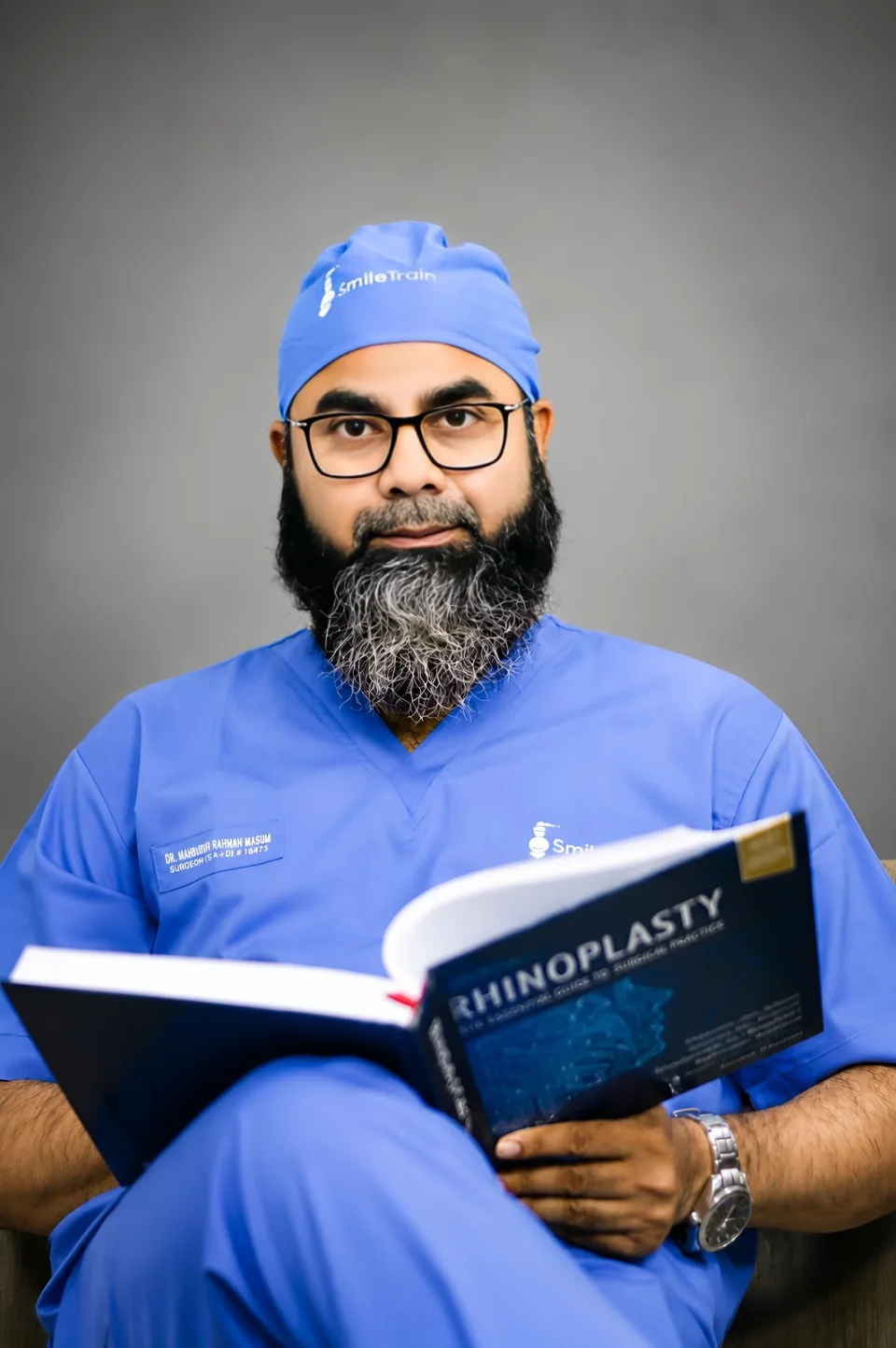
Cleft lip and cleft palate are congenital conditions. They appear at birth as a gap in the upper lip or in the roof of the mouth, because the structures of the face did not join completely while the baby was developing in the womb.
Worldwide, about one in every 700 babies is born with a cleft — roughly 540 babies every day, or more than 197,000 every year.
Why treatment matters
If a cleft is not treated in time, a child may face:
- difficulty feeding, with food and milk coming out through the nose;
- repeated chest infections and malnutrition;
- hearing problems;
- slower physical and mental development;
- speech problems; and
- dental problems when the cleft extends into the upper gum.
Treatment
Modern surgery can correct these defects. The aim is a normal facial structure and normal breathing, eating, speech and hearing. Surgery done early, with the right technique, can give lasting relief.
Advice for parents
If your child is born with a cleft lip or palate, do not panic or lose hope. Consult an experienced surgeon as early as possible to plan the right treatment at the right time.

By
MBBS, FCPS (Plastic Surgery), FACS (USA) · Associate Professor (CC), Plastic Surgery, National Institute of Burn & Plastic Surgery, Dhaka
About the surgeon