Medical review in progress — patient information, not a substitute for a consultation.
Overview
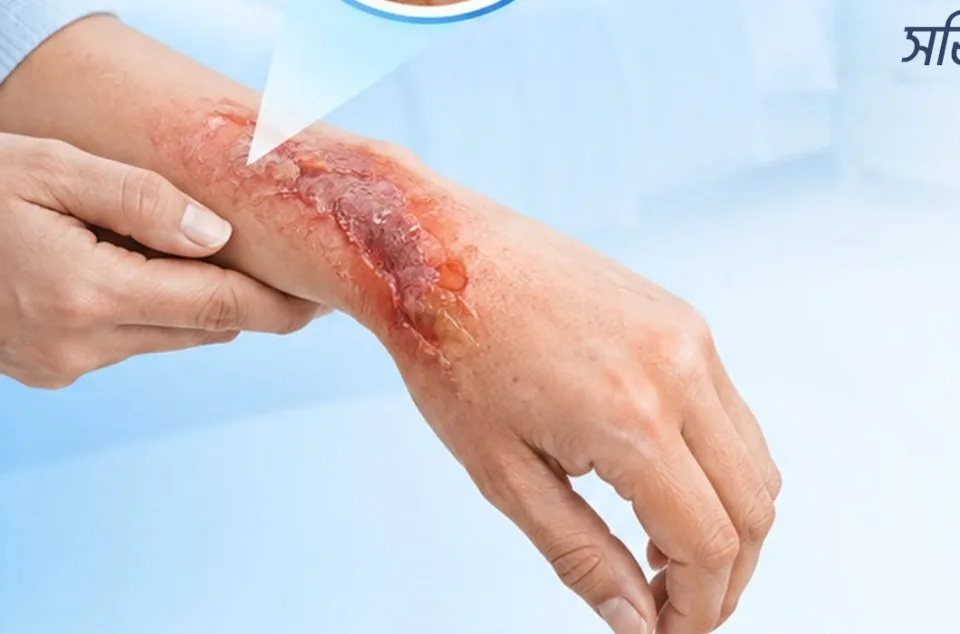
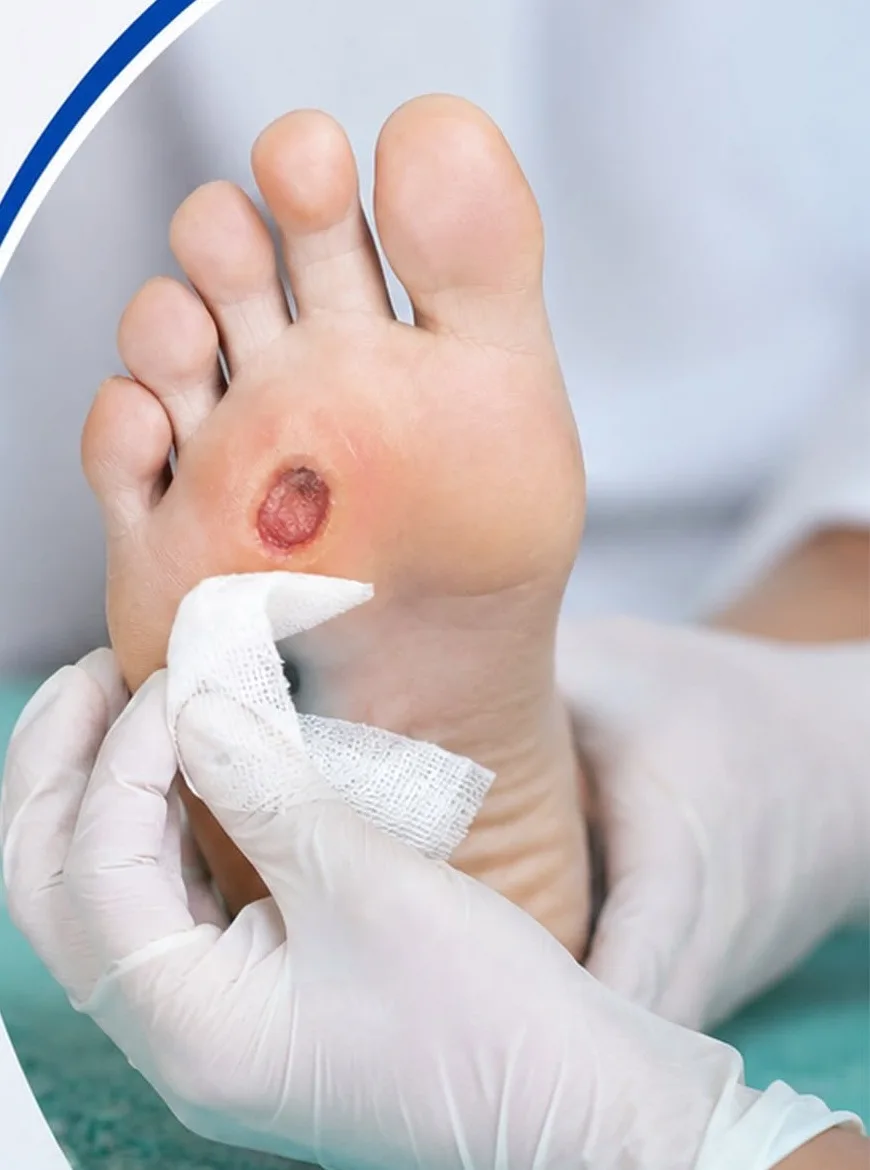
A pressure sore develops when constant pressure cuts off blood supply to the skin over bony areas such as the lower back (sacrum), hips and heels. Early sores may heal with pressure relief and dressings; deep sores that reach muscle or bone often need surgery to remove dead tissue and close the wound with a flap.
What it addresses
- Deep sores over the sacrum, hips, buttocks or heels
- Sores with dead tissue, discharge or infection
- Sores that have not healed with dressings
Who may be a candidate
- Bed-bound patients after stroke, spinal injury or long illness
- Wheelchair users
- Patients whose nutrition and pressure care can be supported after surgery
Treatment options
- 01Debridement of dead tissue
- 02Advanced dressings and infection control
- 03Flap surgery to close the defect with healthy tissue
- 04Guidance on turning, cushions and nutrition
Benefits & limitations
- Closing the wound reduces infection and nursing burden
- Sores can return if pressure is not relieved after surgery
Every patient is different. Results vary and no outcome can be guaranteed; your surgeon will discuss what is realistic for you.
Consultation & assessment
At Central Hospital, Dhanmondi, Dr. Masum takes a full history, examines the area of concern and — only with your permission — takes clinical photographs for your file. He explains which options suit you, including non-surgical ones where they are appropriate, together with the expected recovery, possible risks and the cost, so that you can decide without pressure.
Please bring previous prescriptions, investigation reports and a list of the medicines you take.
Preparing for surgery
- 1Tell the surgeon about diabetes, high blood pressure, heart or kidney disease and any allergies.
- 2Mention blood thinners, aspirin or herbal supplements — some may need to be paused only on medical advice.
- 3Stop smoking well before surgery; it slows wound healing.
- 4Follow the fasting and medicine instructions you are given for the day of surgery.
- 5Arrange for a family member to accompany you and help at home for the first days.
The procedure
Under anaesthesia the dead and infected tissue is removed. When the wound is clean, nearby skin and muscle are moved as a flap to cover the area with well-supplied tissue.
Recovery & aftercare
The patient must stay off the repaired area for some weeks, with regular turning, a pressure-relieving mattress and good nutrition. Family training in pressure care is part of treatment.
Possible risks
- Wound breakdown or recurrence of the sore
- Fluid collection under the flap
- Bleeding or a collection of blood under the skin (haematoma)
- Infection
- Delayed wound healing or wound breakdown
- Scarring that is more noticeable than expected
- Risks related to anaesthesia
Questions about this treatment
Change position at least every two hours, keep skin clean and dry, use an air or foam mattress and ensure good nutrition and hydration.
Related videos
Appointment
Talk to us before you decide.
Call the hotline for a serial at Central Hospital, Dhanmondi — Saturday to Thursday, 3 pm to 6 pm.