Medical review in progress — patient information, not a substitute for a consultation.
Overview
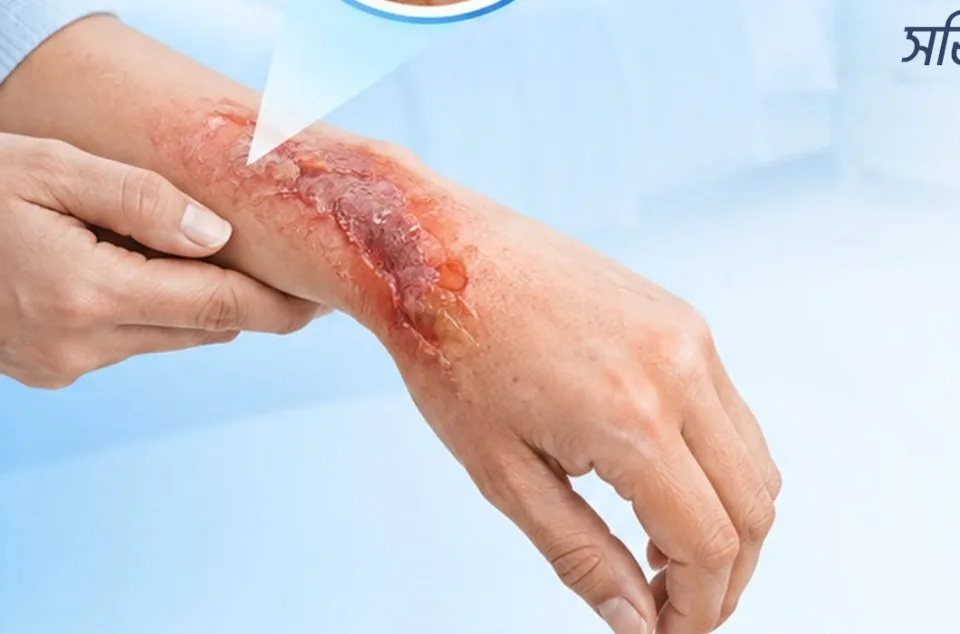
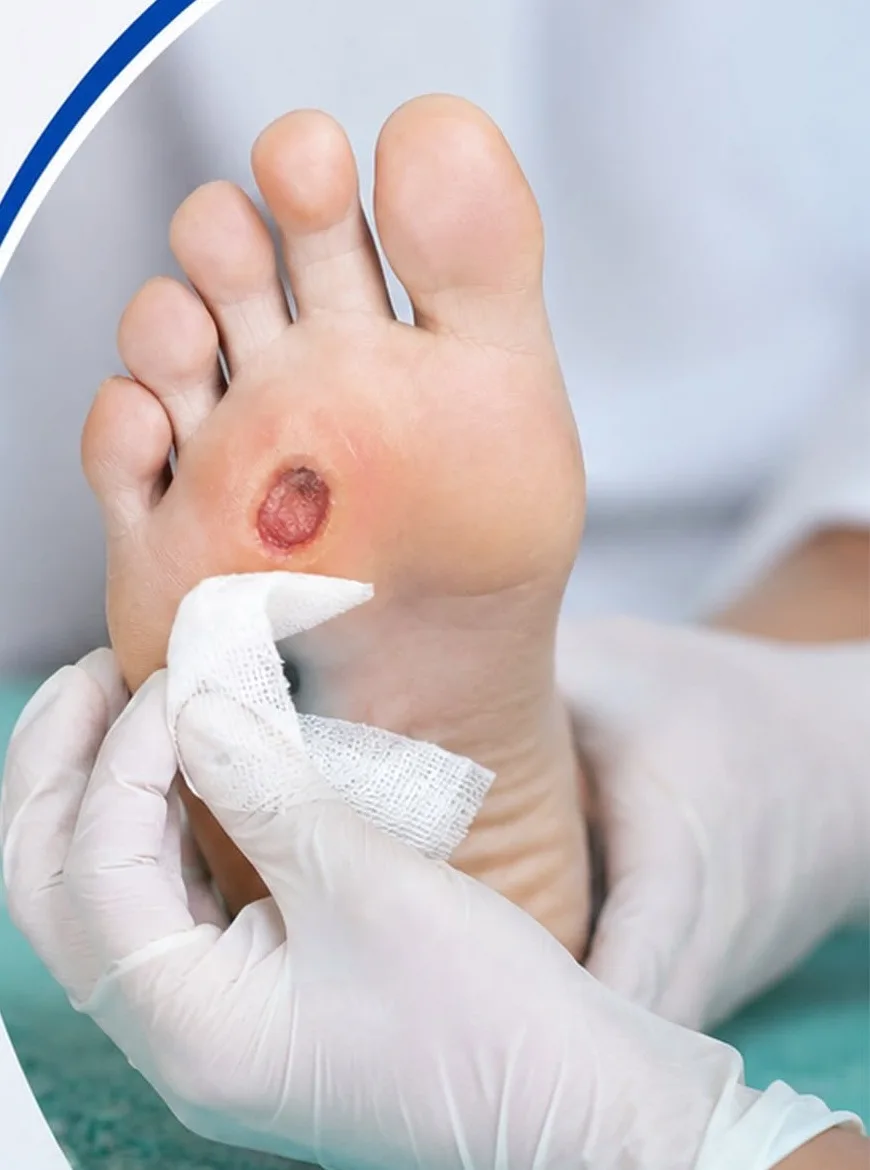
Diabetes can reduce sensation and blood flow in the feet, so small injuries go unnoticed and heal slowly. Chronic ulcers may become infected. Treatment combines blood-sugar control, removal of dead tissue, infection management, offloading pressure and, where suitable, skin grafts or flaps to close the wound.
What it addresses
- Non-healing foot or leg ulcers
- Infected wounds with dead tissue
- Wounds over pressure points of the sole
Who may be a candidate
- People with diabetes and a wound that has not healed in a few weeks
- Anyone with redness, swelling, discharge or bad smell from a foot wound — seek care urgently
Treatment options
- 01Debridement and regular dressings
- 02Infection control in coordination with your physician
- 03Offloading — special footwear or dressings to relieve pressure
- 04Skin grafting or local flaps to close clean wounds
Benefits & limitations
- Early treatment improves the chance of healing and of avoiding amputation
- Healing depends heavily on sugar control, circulation and foot care at home
Every patient is different. Results vary and no outcome can be guaranteed; your surgeon will discuss what is realistic for you.
Consultation & assessment
At Central Hospital, Dhanmondi, Dr. Masum takes a full history, examines the area of concern and — only with your permission — takes clinical photographs for your file. He explains which options suit you, including non-surgical ones where they are appropriate, together with the expected recovery, possible risks and the cost, so that you can decide without pressure.
Please bring previous prescriptions, investigation reports and a list of the medicines you take.
Preparing for surgery
- 1Tell the surgeon about diabetes, high blood pressure, heart or kidney disease and any allergies.
- 2Mention blood thinners, aspirin or herbal supplements — some may need to be paused only on medical advice.
- 3Stop smoking well before surgery; it slows wound healing.
- 4Follow the fasting and medicine instructions you are given for the day of surgery.
- 5Arrange for a family member to accompany you and help at home for the first days.
The procedure
The wound and circulation are assessed; investigations may be requested. Dead tissue is removed and the wound prepared with dressings. Once healthy, it may be closed with a graft or flap.
Recovery & aftercare
Keep weight off the foot as advised, check your feet daily, keep sugar well controlled and attend dressing and review visits.
Possible risks
- Spread of infection
- Recurrence of ulcers
- Bleeding or a collection of blood under the skin (haematoma)
- Infection
- Delayed wound healing or wound breakdown
- Scarring that is more noticeable than expected
- Risks related to anaesthesia
Questions about this treatment
High blood sugar, reduced blood flow and reduced sensation all slow healing and hide early problems — daily foot checks help.
Appointment
Talk to us before you decide.
Call the hotline for a serial at Central Hospital, Dhanmondi — Saturday to Thursday, 3 pm to 6 pm.